
Postpartum vs Postnatal: What You Need to Know to Understand the Differences
Welcoming a new baby brings many changes, and with those come terms that can sometimes confuse new parents. Two such terms are postpartum and postnatal. While they might seem interchangeable, they have distinct meanings that affect how we understand the period after childbirth. This guide will help you clearly see the difference between postpartum and postnatal, so you can better navigate this important time.
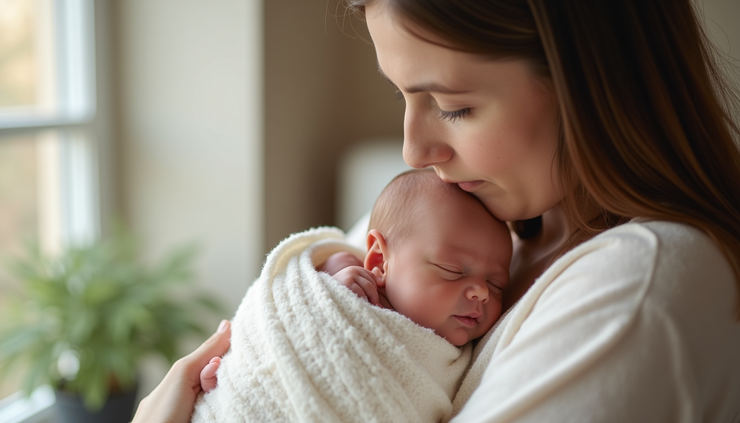
What Does Postpartum Mean?
The term postpartum refers specifically to the period following childbirth. It focuses mainly on the mother's physical and emotional recovery after giving birth. This phase usually covers the first six weeks after delivery but can extend longer depending on individual circumstances.
During the postpartum period, the mother's body undergoes significant changes:
Uterus shrinking back to normal size
Healing of any tears or incisions
Hormonal shifts that can affect mood and energy
Breast changes related to milk production
Postpartum care often includes monitoring for complications such as infections, excessive bleeding, or postpartum depression. For example, a mother experiencing mood swings or feelings of sadness might be dealing with postpartum depression, a condition that requires attention and support.
What Does Postnatal Mean?
Postnatal refers to the period after birth but focuses on the baby’s health and development. It covers the care and monitoring of the newborn from birth through the first weeks or months of life.
Postnatal care includes:
Regular health check-ups for the baby
Monitoring feeding and growth patterns
Screening for any congenital conditions
Supporting the baby’s immune system development
For instance, during postnatal visits, healthcare providers check the baby’s weight gain, feeding habits, and developmental milestones. This care ensures the baby is thriving and helps identify any early concerns.
Key Differences Between Postpartum and Postnatal
Understanding the difference between postpartum and postnatal helps families and healthcare providers focus on the right needs at the right time. Here are the main distinctions:
| Aspect | Postpartum | Postnatal |
|-----------------------|----------------------------------|----------------------------------|
| Focus | Mother’s recovery and health | Baby’s health and development |
| Time Frame | Usually first 6 weeks after birth| First weeks to months after birth|
| Common Concerns | Physical healing, mood changes | Feeding, growth, screenings |
| Care Providers | Obstetricians, midwives, counselors | Pediatricians, nurses, health visitors |
Both periods overlap but address different aspects of the birth experience.

Why Knowing the Difference Matters
Knowing the difference between postpartum and postnatal helps new parents understand what to expect and when to seek help. For example:
A mother feeling overwhelmed or physically unwell should focus on postpartum care and reach out to healthcare providers for support.
Parents concerned about their baby's feeding or sleeping patterns should focus on postnatal care and consult pediatricians or health visitors.
This clarity can reduce stress and improve outcomes for both mother and baby.
Practical Tips for Navigating Both Periods
Here are some practical ways to support yourself and your baby during the postpartum and postnatal phases:
For postpartum care:
- Rest as much as possible and accept help from family or friends.
- Attend all postpartum check-ups to monitor healing and mental health.
- Communicate openly about your feelings and seek support if you notice signs of depression or anxiety.
For postnatal care:
- Keep track of your baby’s feeding, sleeping, and diaper changes.
- Attend all scheduled pediatric appointments for vaccinations and growth checks.
- Learn about safe sleep practices and baby care basics.
Both parents can benefit from education and support groups that focus on these periods.
When to Seek Professional Help
Both postpartum and postnatal periods can bring challenges. It’s important to recognize when professional help is needed:
Postpartum warning signs:
- Heavy bleeding or severe pain
- Signs of infection like fever or redness
- Persistent feelings of sadness or hopelessness
Postnatal warning signs:
- Baby not feeding well or losing weight
- Difficulty breathing or unusual fussiness in the baby
- Jaundice or other visible health concerns
Early intervention can make a significant difference in recovery and wellbeing.
Supporting Partners and Families
The postpartum and postnatal periods affect the whole family. Partners and relatives can play a key role by:
Offering emotional support and encouragement
Helping with household tasks and baby care
Learning about the differences between postpartum and postnatal to provide appropriate help
This shared understanding strengthens family bonds and eases the transition to parenthood.
With love,
Essential Woman


Comments